

Why choose
Bleukite Essaouira
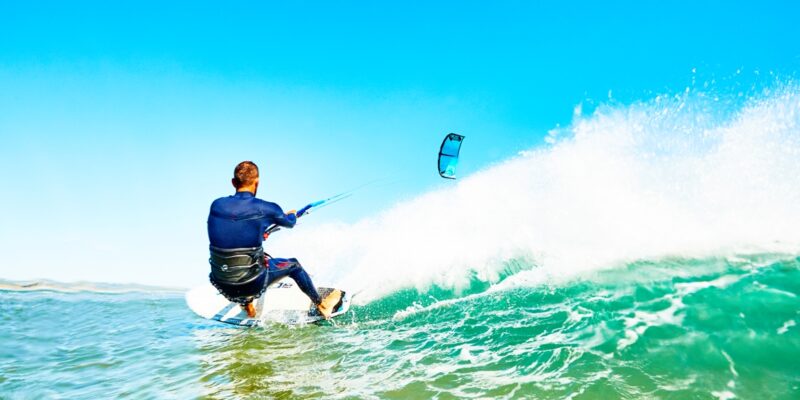
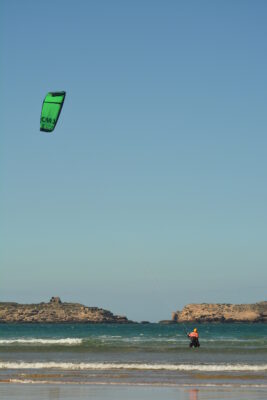
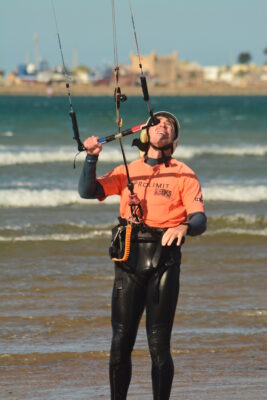
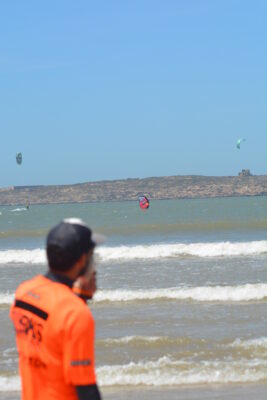
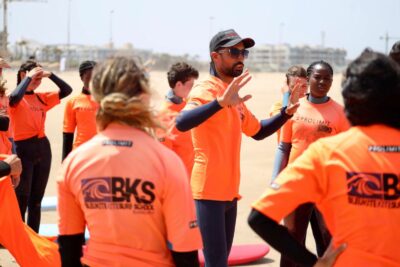
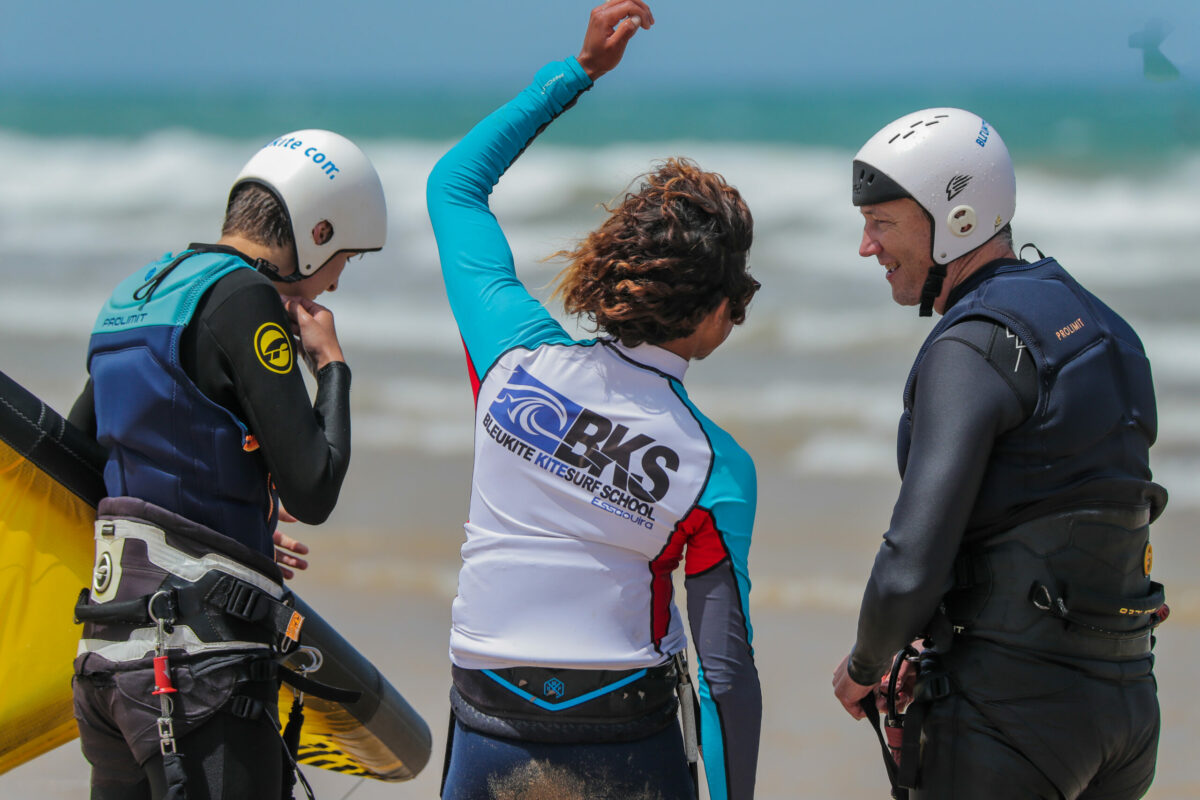
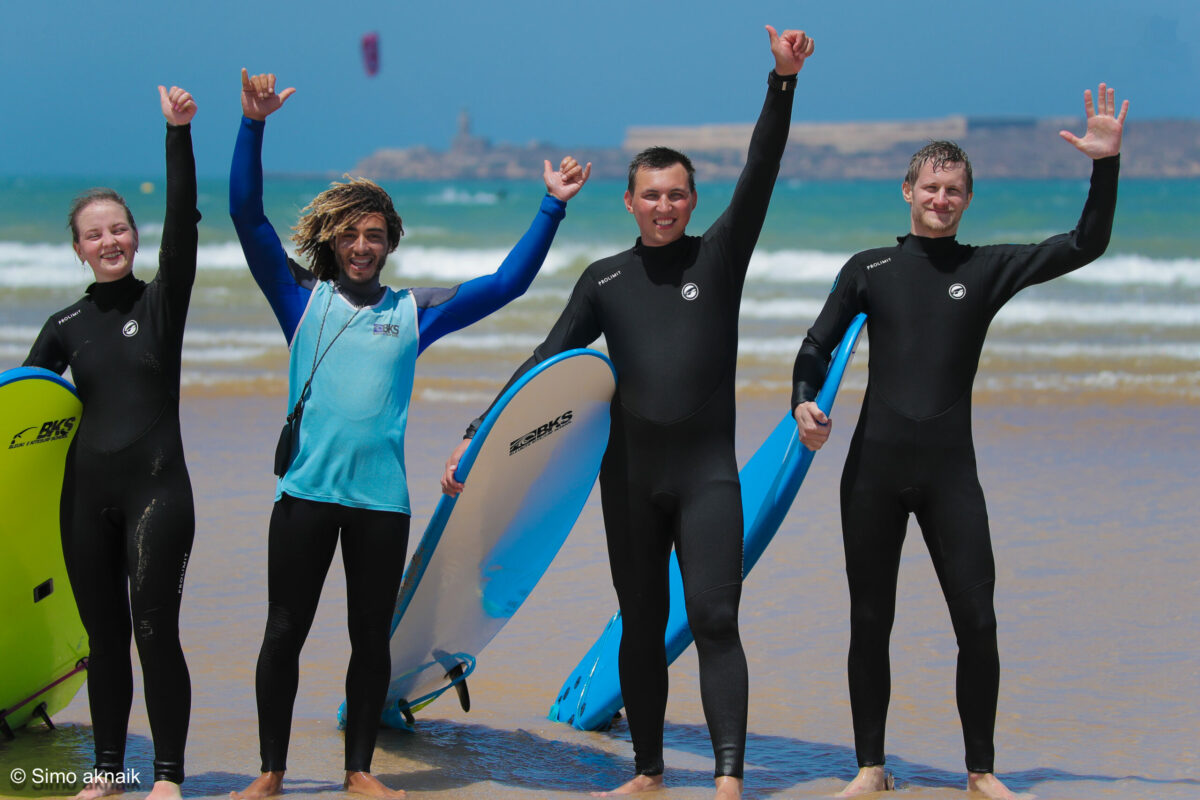
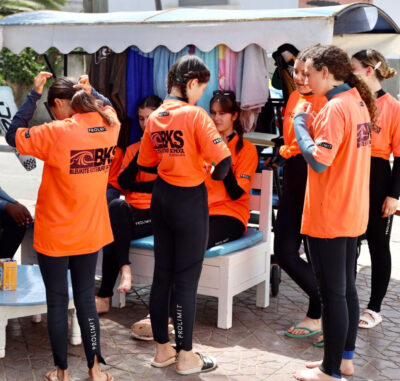
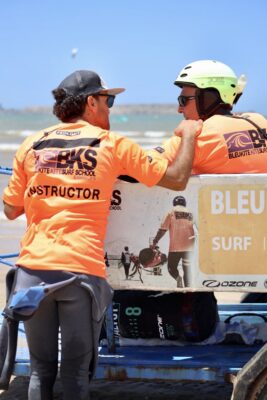
Bleukite has over 20 years of teaching experience, it is one of the first kitesurfing schools in Morocco. Our team is certified and highly experienced. We dedicate a lot of attention to the safety of our students as well as to their progress. We guarantee your progress whether you are learning individually, with friends, or with family.
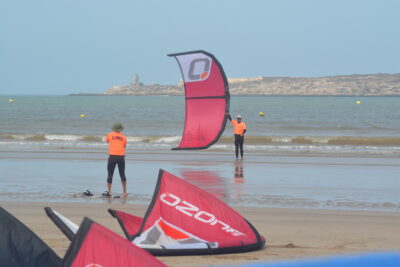
Bleukite provides brand new Ozonekite and Prolimit accessories.

Lea Roll
Super école de kite à Essaouira ! Profs patients, de très bons conseils et toujours souriants. L’administration est très arrangeante et s’adapte aux conditions de vent pour que les élèves puissent en profiter au maximum. La plage est à quelques mètres de l’école où il y a toutes les infrastructures nécessaires (large choix de matériel, vestiaires, douches chaudes, etc).

Liam Loughran
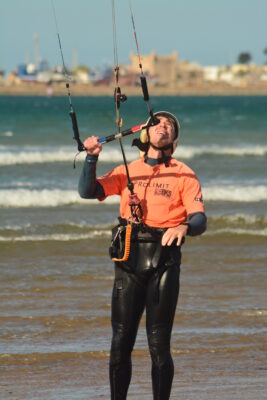
Very welcoming and professional team, attentive and motivating instructors who have a good eye for safety and really connect well with the students in many languages. I had a great week and made loads of progress with Adil; with his combination of a great sense of humour and attention to detail, helping me spot and correct my mistakes. I can't wait to do another course with BKS!

Marie Emmanuelle
Super équipe qui nous a aidé à préparer notre séjour dans sa globalité (transferts, logements, activités touristiques, ...). Une fois sur place c'est "comme à la maison" ; instructeurs compétents, motivés et sympas pour nous accompagner (adultes mais aussi enfants de 7 à 17 ans) sur nos activités sportives dans un cadre canon, ambiance détendue et accueillante à l'école..
Alex Pinter
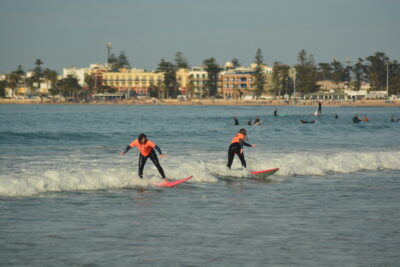
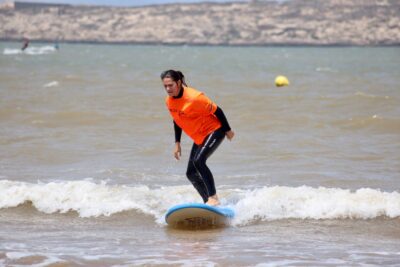
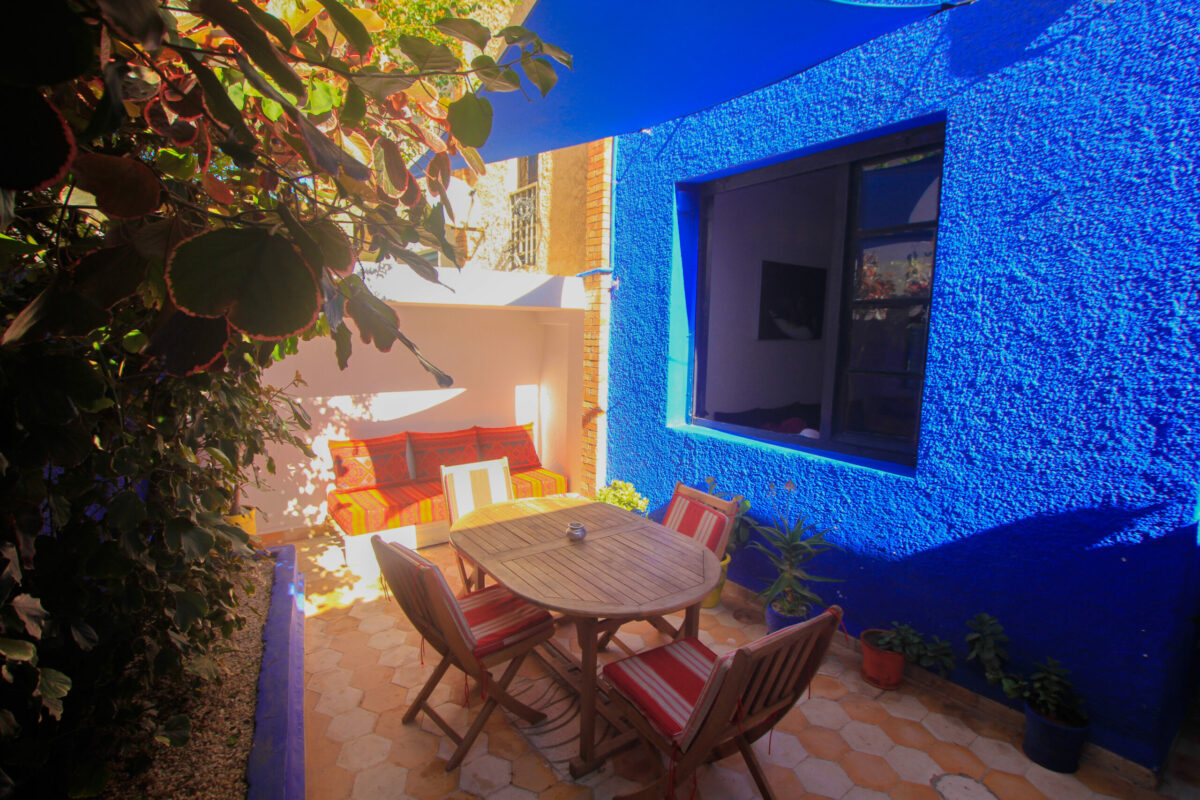
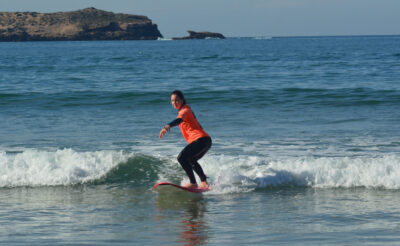
I can only say the best things about our experience with Bleukite! We booked our Riad, the airport transfer as well as Kite/Surfing lessons with them. Everybody was always friendly and helpful, even when you were going on your own and met them on the beach, there was always a helping hand and a smile when needed. When there was no wind, we went surfing instead which was great fun as well.
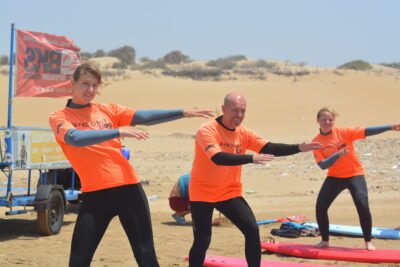
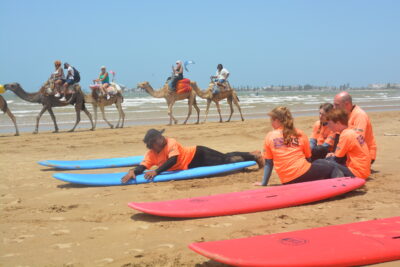
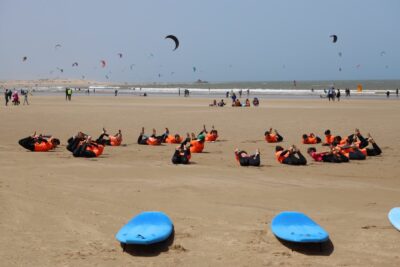
 TOP 7 activities you have to try in EssaouiraEssaouira is one of the most visited cities of …
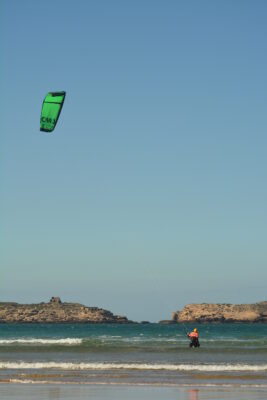
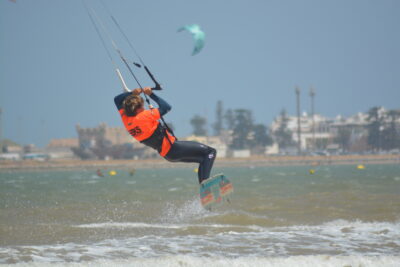
- Découvrez le kitesurf avec des professionnelsVolez au-dessus des vagues ! Le kitesurf, ou planche …